
Designed for Tiny Tots ages 2-3 who are ready to participate independently, this class nurtures creativity, helps improve balance and gross motor skills, and introduces basic Ballet steps through music and pretend, all while building confidence in a warm, supportive environment.
Pittsburgh Dance Classes For Tiny Tots Ages 2-3 A Joyful First Step Into Independent Dance
Limited Time & Availability
10:00
ONLINE EXCLUSIVE OFFER
VIEW OUR SCHEDULE & PRICING OPTIONS
Get more information about our classes and schedule on the next page!
Why Dance Matters At An Early Age
Growing Confidence, Creativity, And Coordination Through Dance
Builds Physical Foundations
Play-based movement helps develop balance, coordination, and gross motor skills, supporting healthy early growth in a fun, age-appropriate way.
Encourages Creativity And Expression
Music and imaginative play allow young dancers to explore movement freely, building creativity and confidence without pressure.
Supports Early Social Skills
Group activities introduce simple concepts like taking turns, listening, and participating together in a warm, welcoming classroom setting.
Dance Classes For Tiny Tots Ages 2-3 In Pittsburgh
Where Little Movers Grow Through Music And Imagination
A Studio Families Trust
Thoughtfully Designed For Young Dancers And Their Families

Fits Busy Family Schedules
Class times are designed with families in mind, making it easier to introduce dance without adding stress to your week.

Safe, Nurturing Learning Environment
Experienced instructors create a supportive, age-appropriate classroom where little dancers feel comfortable, encouraged, and cared for.

A Warm, Welcoming Community
Families become part of a positive studio culture that values connection, kindness, and shared growth both inside and outside the classroom.
COMPARISON CHART
Why Dance Is A Natural Fit For Early Childhood
At this early stage, children benefit most from activities that focus on exploration, movement, and confidence rather than rules or competition. Dance offers a joyful way to support growth while meeting little ones exactly where they are.
Traditional Sports
Less Emphasis on Personal Growth
Traditional sports often prioritize physical skills and competition, which can sometimes overshadow the importance of emotional and personal development.
Potential for Exclusion
Team sports may involve competitive selections, which can leave less experienced children feeling left out or discouraged from participating.
Overemphasis on Winning
The focus on winning in traditional sports can detract from learning the importance of teamwork, enjoyment, and fair play.
Limited Individual Attention
In large teams, individual attention from coaches can be minimal, which may hinder personalized growth and confidence in less naturally skilled children.
Starlight Dance Academy
Focus On Whole-Child Development
Classes support emotional growth, confidence, and body awareness alongside physical movement, helping children feel successful from the start.
Inclusive And Pressure-Free
Every dancer participates fully, with no tryouts or competition, creating a space where children can learn at their own pace.
Joy Comes First
Movement is guided by music, imagination, and play, encouraging a positive relationship with activity rather than performance or outcomes.
Supportive Instructor Attention
Small class settings allow instructors to encourage each child individually, building comfort, confidence, and trust.
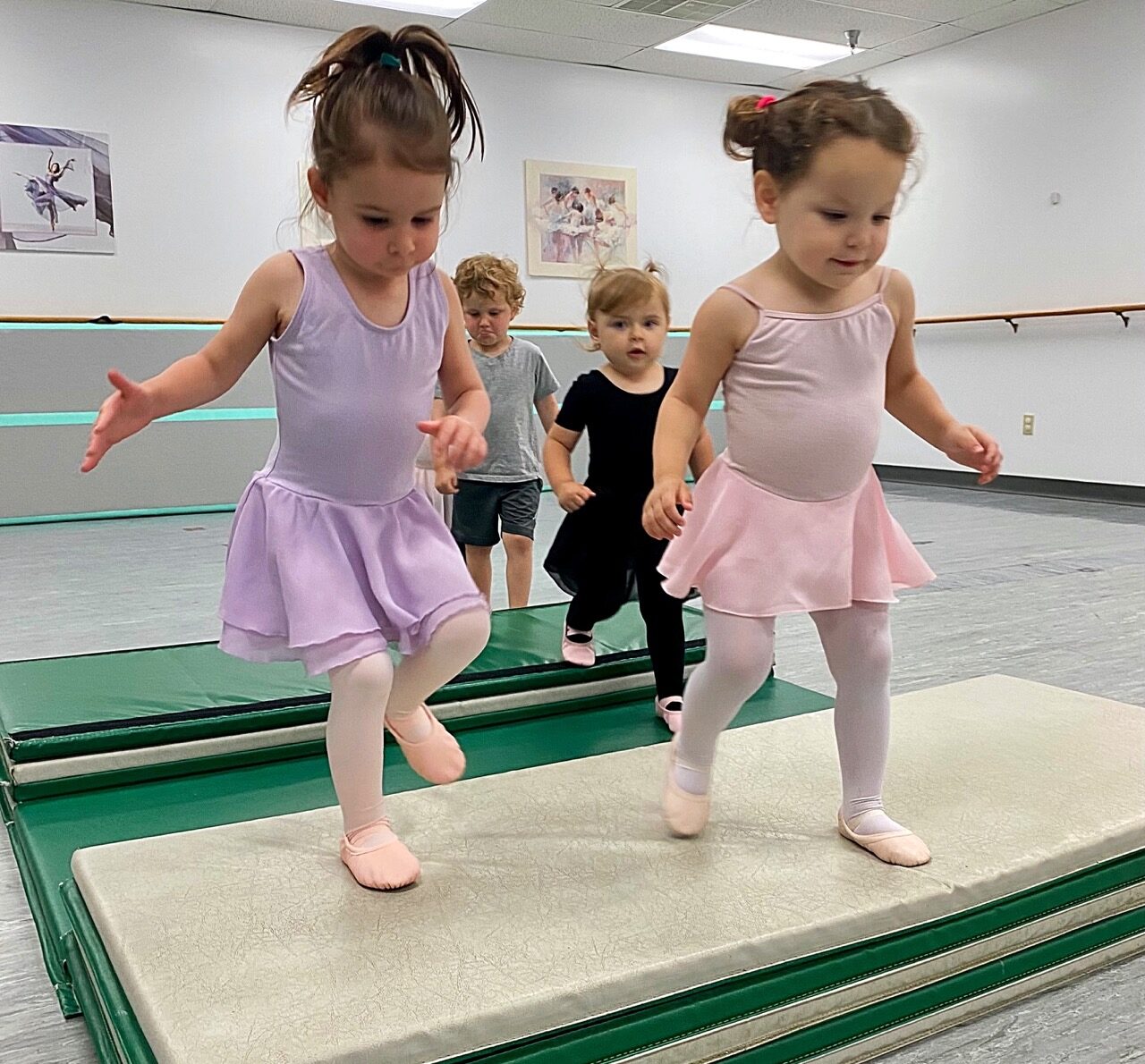
Building Strong Foundations Through Movement
How Creative Play Supports Early Physical Development
Tiny Tots classes are designed to introduce movement in a way that feels natural, engaging, and developmentally appropriate. At this stage, children learn best when movement is connected to imagination, music, and repetition rather than formal instruction.
Through guided creative activities, dancers begin to build essential physical foundations that support both dance and everyday movement, including:
- Balance and stability through standing, stepping, and gentle transitions
- Gross motor skills using large, full-body movements
- Spatial awareness by learning how their body moves within a shared space
These early experiences help children gain confidence in their physical abilities while preparing them for more structured movement as they grow.
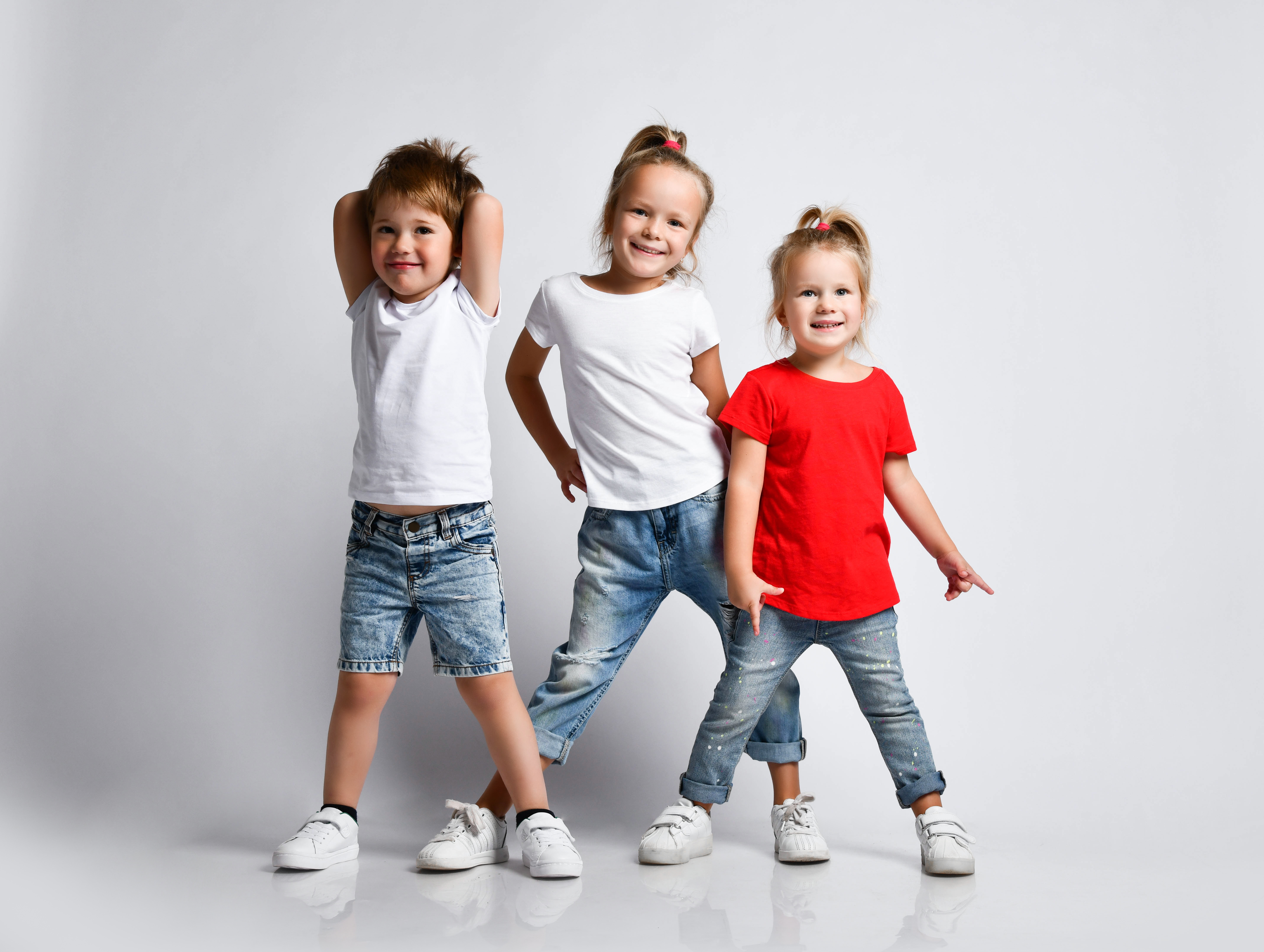
From Play To Early Structure
Introducing Focus Through Music And Simple Ballet Concepts
As physical confidence develops, Tiny Tots classes naturally begin introducing simple structure. This helps young dancers start learning how to listen, observe, and respond within a classroom setting.
Instruction is intentionally short, engaging, and music-driven, allowing children to practice focus in an age-appropriate way. Classes include:
- Basic Ballet-inspired movements taught through pretend and imagery
- Musical cues that guide timing, movement, and transitions
- Simple class routines that encourage participation and attention
This gentle structure supports early concentration skills while keeping the experience positive and enjoyable.
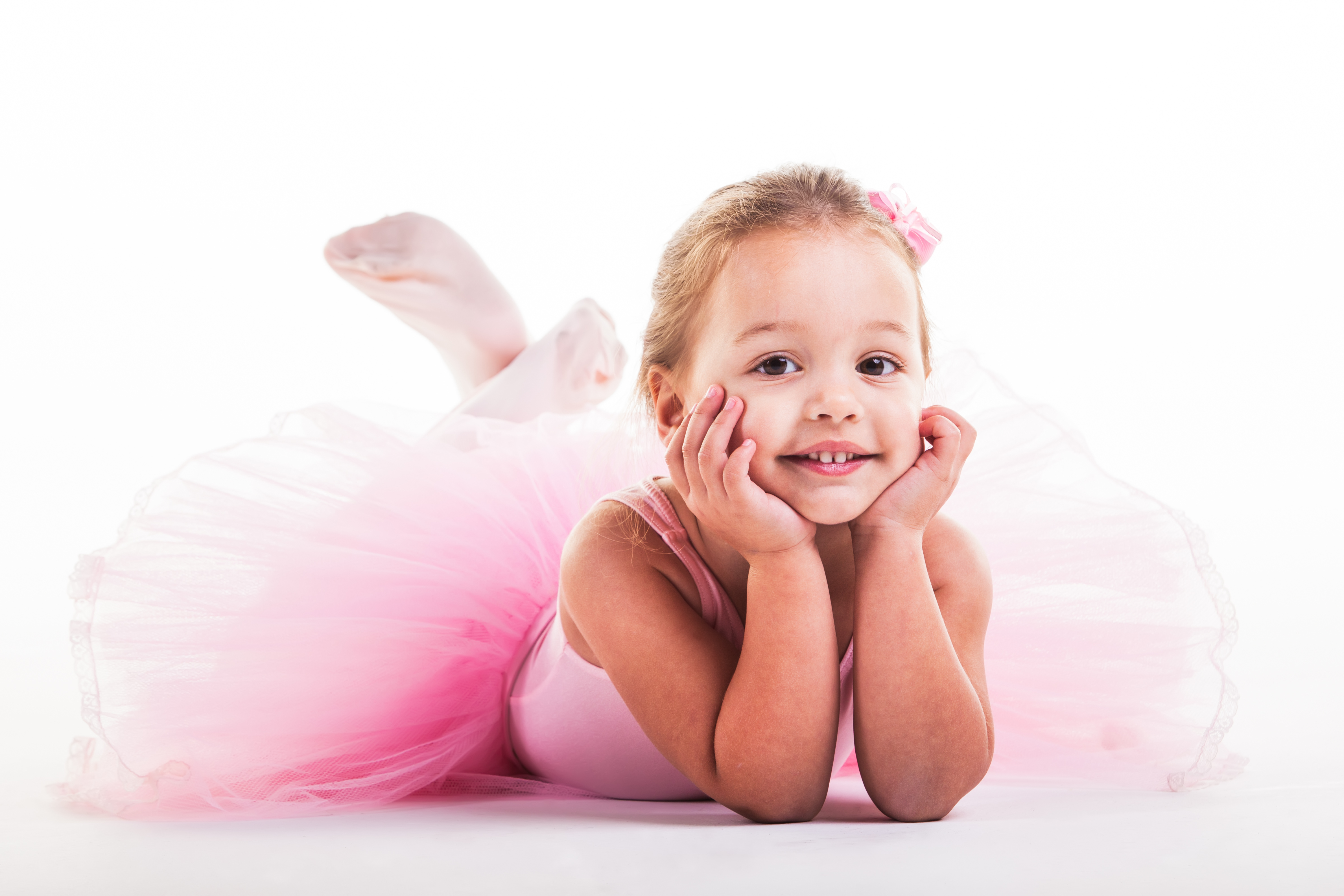
Growing Confidence One Step At A Time
Supporting Independence And Emotional Growth
For many children, Tiny Tots is their first experience participating independently without a parent present. This makes emotional growth a meaningful part of the learning process.
Instructors focus on helping dancers feel safe, capable, and supported as they explore new movements and classroom routines. Throughout class, children are encouraged to:
- Try new skills at their own pace
- Experience success through repetition and positive reinforcement
- Build confidence by completing tasks independently
This supportive approach helps children develop resilience, self-confidence, and a positive attitude toward learning.
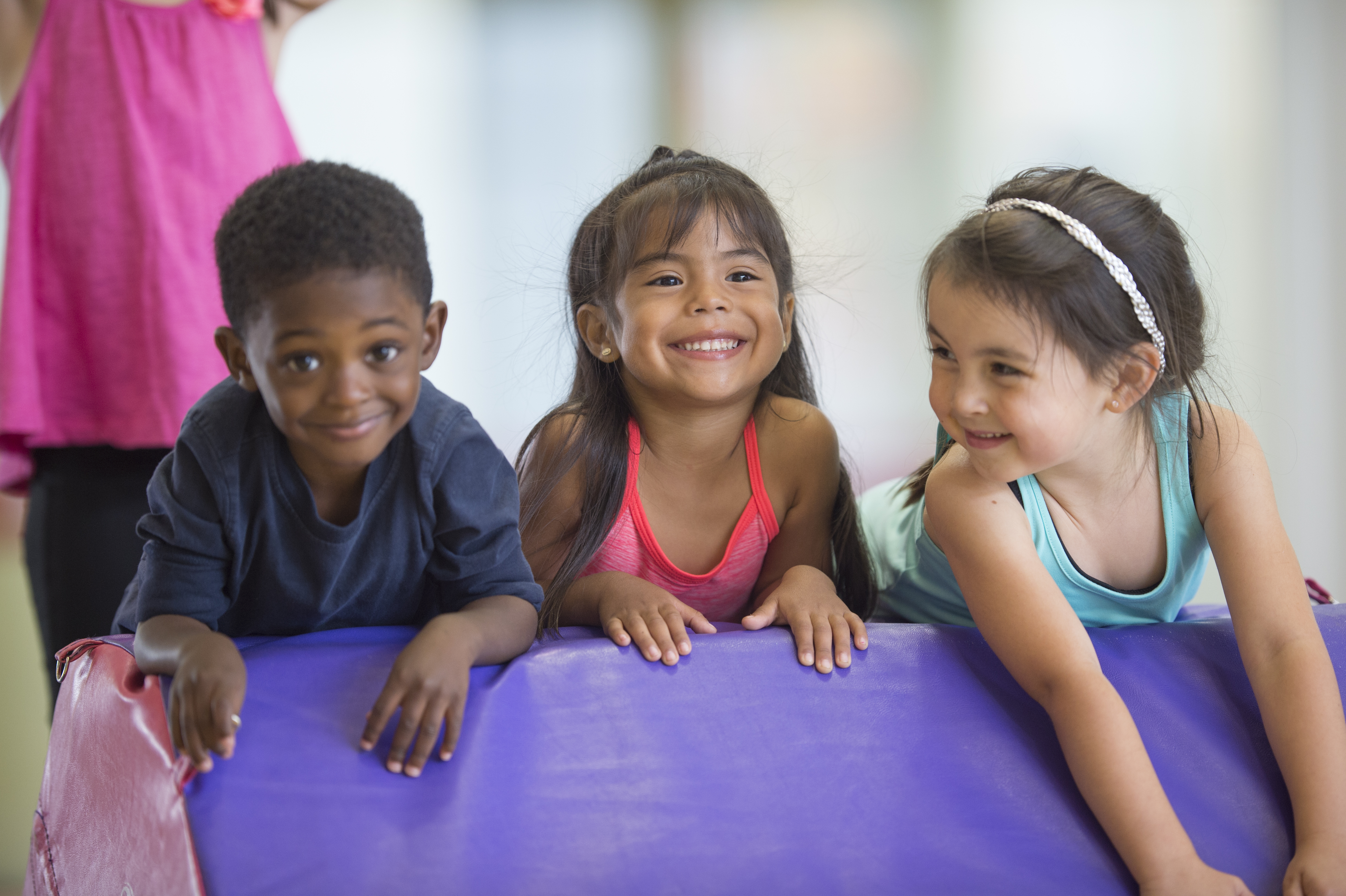
Learning Together Through Movement
Early Social Skills In A Supportive Group Setting
As dancers grow more comfortable with movement and structure, classes naturally encourage positive peer interaction. Group activities are designed to help children learn how to participate alongside others while still honoring individual comfort levels.
Through shared movement experiences, dancers begin to practice:
- Taking turns and following simple group directions
- Moving together as part of a group setting
- Developing awareness of others in the space
These early social skills help children feel confident in group environments while reinforcing a sense of belonging and cooperation.
Words From Our Dance Families
Real Experiences From Parents And Caregivers
Families trust us with their children’s first dance experience, and their feedback reflects the care, patience, and encouragement shown in every class. These reviews highlight the confidence, growth, and joy parents see as their little ones learn, move, and thrive in a supportive environment.

Melissa Bennett
My daughter has been taking ballet since 4 years old and just recently started at Starlight this year. She has progressed so much in just a couple months here i am so pleased with this studio.!

Julianna Sheline
Amazing experience for my daughter. Ms. Kathy is beyond great with the kids and my daughter has such a great time every single class. Beautiful studio, great environment, really reasonably priced. I would highly recommend this studio!

Savanna Aiello
We love Starlight!! Will recommend this dance studio to everyone! 🌟

Jennifer Pace Snoderly
We have been going to Starlight since my daughter was in preschool. The staff is great, studios are all well maintained, and most importantly my daughter loves going (she is now in 4th grade). She has made some wonderful friendships in addition to learning great dance skills.

Lindsay Leigh
We just started our third class at Starlight. My daughter loves coming to class! She asks me almost everyday if it’s dance class day. Ms. Kathy is so patient and kind with 2-3 year olds who aren’t the best listeners at times. The facility is very clean and I highly recommend it.

TerriAnne Barker
My daughter has been dancing at Starlight for 7+ years! We love the friendly, safe atmosphere and knowledgeable teachers who make learning fun. Always encouraging, never intimidating. Dance is my daughter’s favorite extracurricular activity because of her experiences at Starlight.

Chelsea Deremer
My 7 year old daughter has been dancing at starlight for almost 5 years. We love the friendly atmosphere. The staff is great with little ones. Recitals are very well organized. They put on a great show!
Jaime Lynn
My daughter Ava is new to ballet and tap and she LOVES it thanks to Ms Kathy! I cant say enough about the staff they are so friendly and helpful!
Carolyn Mooney Bigbee
My daughter danced there for many years and now her 5 year old niece (my granddaughter) is in her 3rd year. Lessons are age appropriate and fun. The discipline and life lessons that become a part of the experience are great as well.
Cerissa Horwitz
We love Starlight! Owners and teachers are awesome!

Kelly Lewetag
We love Starlight! Such a wonderful and friendly atmosphere. The teachers are wonderful and encouraging. My daughter has danced here for 6 years and I could not recommend it more.

Lindsay Diethorn
Thankful to have a well organized, thoughtful dance studio so close to home!

medha jha
My girl definitely love to go there and always excited. And her dance teacher Ms.Veronica is such a sweet person.

Bethany Gaeto
My daughter has taken several classes here since she was 2. She is 6 now and in tumbling. The variety of classes is great, teachers are all really sweet/patient, especially with the really little ones! The recitals are always fun to watch from the tiniest dancers to the talented older dancers! (They break them up into multiple sessions so you aren’t there for hourssss!)

Colleen Bressler
Starlight is exactly what I was hoping for in a dance school for our daughter. It is not too intense, but there is an option to compete when they're older if your child is interested. I feel that staff is highly qualified and she is learning proper dance technique, but they also mix in a lot of fun.

Holly Ristau Polochak
Starlight Dance Academy make you feel like family. They care about their dancers and provide a great environment to learn and dance. All of the teachers have been fabulous!
Erin Steinberg
My daughters love dancing at Starlight! The teachers are wonderful and my girls love all of the new friends they have made.
Limited Time & Availability
10:00
ONLINE EXCLUSIVE OFFER
VIEW OUR SCHEDULE & PRICING OPTIONS
Get more information about our classes and schedule on the next page!
Have Questions? We’re Here to Help!
FAQs
What ages is the Tiny Tots dance program designed for?
The Tiny Tots program is designed for children ages 2-3 who are ready to participate in class independently without a parent or caregiver. The class is structured to support early movement, confidence, and comfort in a classroom setting.
Does my child need prior dance experience to join?
No prior dance experience is needed. Tiny Tots classes are built for first-time dancers, focusing on creative movement, music, and pretend play rather than formal technique or performance expectations.
How is structure introduced for such young dancers?
Structure is introduced gently through short activities, music cues, and repetition. Classes balance play-based movement with simple routines to help children practice focus, participation, and transitions without pressure.
Is the Tiny Tots class appropriate for shy or hesitant children?
Yes. Classes are taught in a warm, nurturing environment where children are encouraged to move at their own pace. Instructors focus on positive reinforcement, helping shy dancers feel safe, supported, and confident over time.
How does dance benefit my child beyond physical movement?
Dance supports much more than physical development at this age. Tiny Tots classes help children build early social skills through group participation, strengthen emotional growth by encouraging independence, and develop confidence and resilience as they learn to try new movements in a positive, supportive environment. These early experiences help prepare children for future classroom settings and other group activities.
Added Benefits That Support Growing Minds
More Reasons Families Choose Dance At An Early Age
Dance gives young children a healthy way to express feelings through movement, helping support emotional awareness and early self-regulation.
Music and movement activities encourage memory, pattern recognition, and listening skills, supporting early brain development in a natural way.
Storytelling and imaginative movement allow children to explore ideas creatively, strengthening creativity and self-expression.
Regular movement encourages healthy activity habits while helping children feel happy, relaxed, and engaged through joyful physical play.
Limited Time & Availability
10:00
ONLINE EXCLUSIVE OFFER
VIEW OUR SCHEDULE & PRICING OPTIONS
Get more information about our classes and schedule on the next page!